
Birthright Citizenship at Risk? What Immigrant Families Should Know

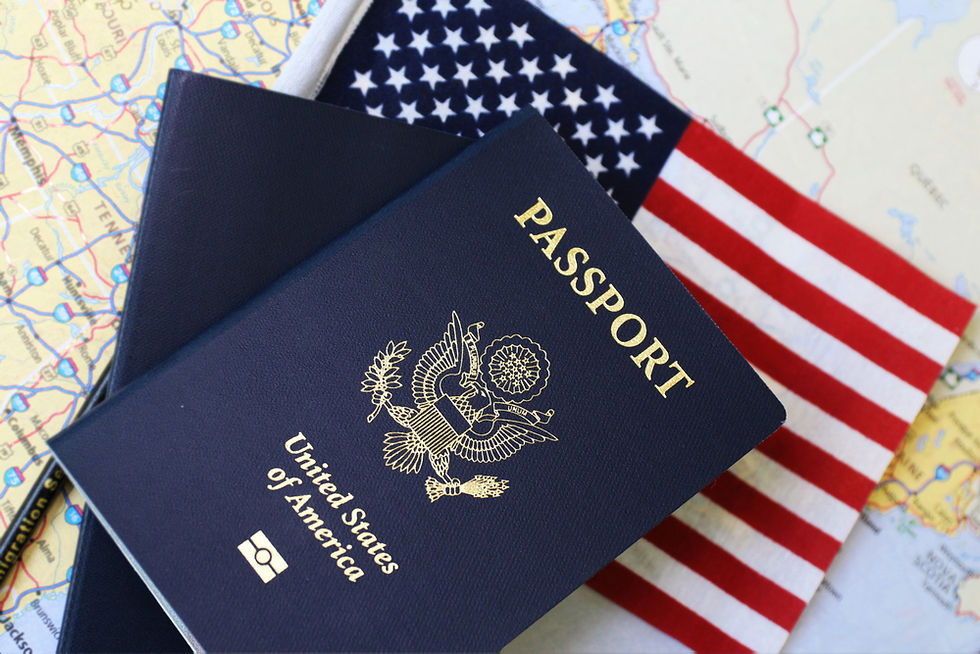
A new Supreme Court case could drastically change whether children born in the United States automatically become U.S. citizens. The issue is now at the center of a major Supreme Court case, Trump v. Barbara, which asks whether children born in the United States should automatically be recognized as U.S. citizens regardless of their parents’ immigration status. The outcome could affect how citizenship is determined for future children born in the U.S., making it especially important for immigrant families to understand what birthright citizenship means and what may or may not change.
So what is birthright citizenship? And what does it actually mean for you?
What Is Birthright Citizenship and Who Qualifies for It?
Birthright citizenship means that most children born in the United States automatically become U.S. citizens, regardless of their parents’ immigration status.
This rule comes from the 14th Amendment of the U.S. Constitution, which says that anyone born in the United States and subject to its laws is a citizen.
In simple terms, if a baby is born in the U.S., that baby is usually a U.S. citizen:
Even if the parents are undocumented
Even if the parents are on a visa
Even if the parents have pending asylum or immigration cases
Even if the parents are in removal proceedings
This has been the law in the United States for more than 150 years.
There are very limited exceptions, such as children born to foreign diplomats. But for most immigrant families, birthright citizenship applies.
Why This Issue Is Being Debated Now
The current debate comes from the Trump v. Barbara case, which challenges whether birthright citizenship should apply to children whose parents are not U.S. citizens or permanent residents. The government argues that the Constitution does not require automatic citizenship in those situations. Those challenging the policy argue that the 14th Amendment clearly protects citizenship for nearly all children born in the United States.
The Supreme Court’s decision could clarify whether birthright citizenship remains unchanged or whether new limits could apply in the future. Importantly, no final decision has been issued yet.
Why Birthright Citizenship Matters
For many immigrant families, this rule provides security and stability. A child born in the U.S. has the same rights as any other U.S. citizen, including:
The right to live and work in the United States
Access to public education
The ability to apply for a U.S. passport
The right to petition certain family members in the future (when eligible)
However, it’s important to understand that having a U.S. citizen child does not automatically give parents legal status.
This is one of the most common misunderstandings.
A U.S. citizen child cannot petition for parents until turning 21, and even then, there may still be legal obstacles depending on the parents’ immigration history.
Can Birthright Citizenship Be Changed?
Because birthright citizenship is based on the Constitution, changing it is legally difficult. That is why cases like Trump v. Barbara are so significant — they ask the Supreme Court to interpret the Constitution itself.
The Court could:
Leave the current rule unchanged
Allow limited restrictions
Clarify when citizenship applies
Until a decision is issued, birthright citizenship remains the law as it has been understood for generations.
What Immigrant Families Should Keep in Mind
If you are expecting a child or already have a child born in the U.S., here are a few important points:
Your child is likely a U.S. citizen if born in the United States
This does not automatically give parents legal status
Your child may be able to help you in the future, depending on your case
Every immigration situation is different
Because immigration law is complex, it’s always best to speak with a qualified immigration professional about your specific situation.
The Bottom Line
Birthright citizenship has been part of U.S. law for generations. Although Trump v. Barbara has brought renewed attention to the issue, children born in the United States are still considered citizens in most cases today.
Understanding how this works can help families make informed decisions and avoid unnecessary fear. If you have questions about your situation, seeking reliable legal guidance can help you understand your options and plan for the future.


Comments